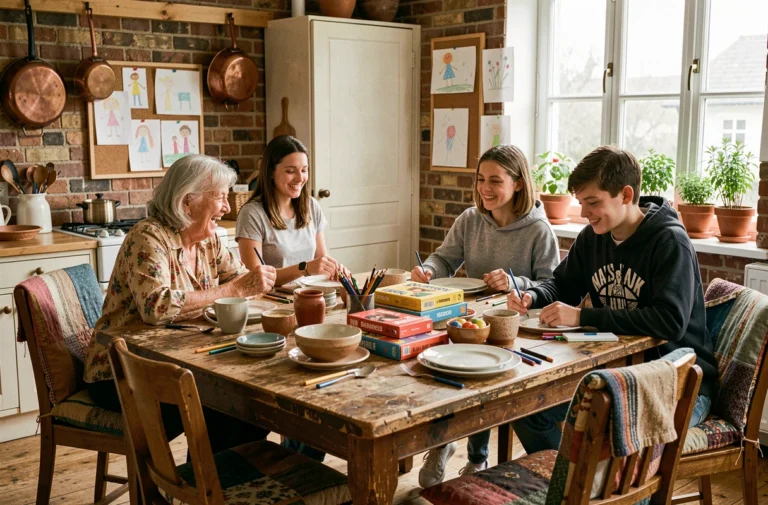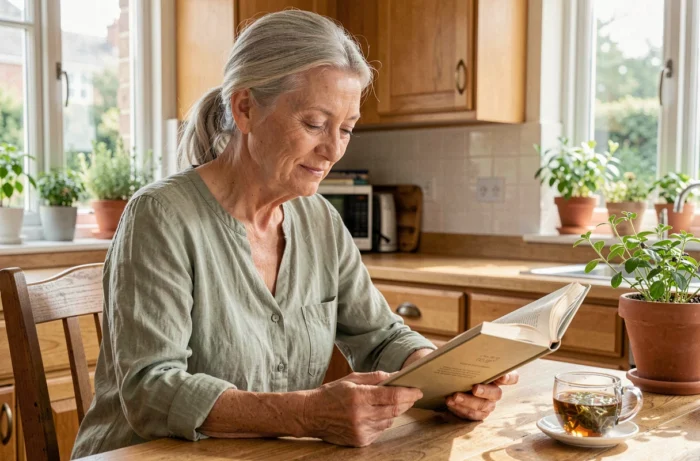
Aging well is not just about a list of good habits. The term encompasses a set of concrete levers, from preventing loss of autonomy to adapting living environments, including recent regulatory measures that change access to services for seniors.
Well-Aging Law: What the 2025-2026 Decrees Change in Daily Life
The so-called “Well-Aging” law is not limited to statements of intent. Its implementing decrees, published between 2025 and 2026, have very concrete effects on the organization of home services.
A sustainable mobility fund for home autonomy services has been established, with a framework specified by decree in 2025 and then adjusted in 2026. This fund aims to support the structures that intervene directly with elderly individuals, a often fragile link in the home care chain.
Another advancement: since 2026, recipients of home APA and PCH are automatically registered in the heatwave register, unless they oppose it. This measure eliminates an administrative step that many isolated seniors did not take, exposing them to risks during heatwaves.
Families seeking senior information on Tranquilité Santé will find a complementary overview of health coverage options adapted to these regulatory changes.
Transparency in Nursing Homes: Three Indicators Made Public Each Year
The decree of August 8, 2026, published in the official journal the following day, requires nursing homes to make three annual staffing indicators public. This obligation allows families to objectively compare establishments before making a decision.
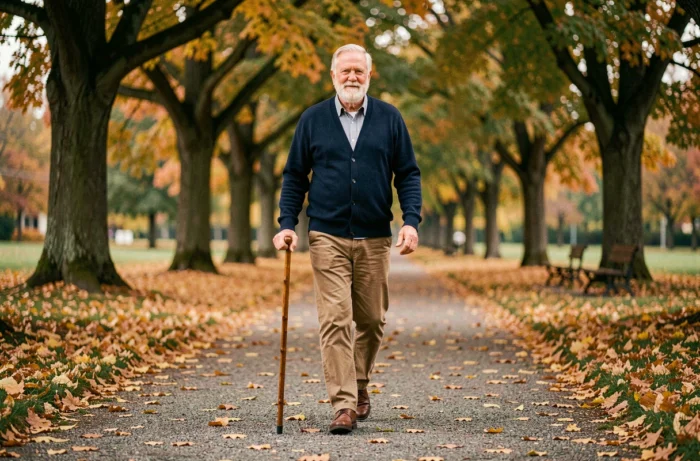
Until now, assessing the quality of a nursing home largely relied on word of mouth or occasional visits. The systematic publication of numerical data on staffing changes the game: it creates a pressure lever for under-resourced establishments and provides potential residents with a factual decision-making tool.
This enhanced transparency is part of a broader logic of the well-aging law, which aims to rebalance the relationship between families and housing structures.
Preventing Loss of Autonomy: The Actions That Really Matter
Prevention advice for seniors often revolves around the same themes: nutrition, physical activity, social connections. All are relevant, but their effectiveness depends on regularity and adaptation to each person’s profile.
Three areas deserve special attention because they are often overlooked:
- Screening for sensory disorders (hearing, vision): Uncorrected hearing loss accelerates cognitive decline and promotes social isolation, two major factors in loss of autonomy.
- Early adaptation of housing, before a fall or accident occurs. Installing grab bars, improving lighting, removing door thresholds: these simple modifications significantly reduce the risk of fractures.
- Regular nutritional monitoring, as malnutrition affects a significant portion of elderly individuals living at home, often without their surroundings noticing. The sensation of fullness comes more quickly with age, and thirst is less felt.
The ICOPE program, supported by the WHO and relayed by the Retirement Insurance, offers a personalized assessment of physical, cognitive, and sensory capacities. This type of evaluation helps identify vulnerabilities before they become disabilities.
Staying at Home: Adapting Housing Without Waiting for a Crisis
The majority of seniors wish to age in place. This preference is achievable as long as necessary adjustments are anticipated, and not just when a health event requires it.
Adapting one’s home for aging is as much about safety as it is about comfort. An accessible bathroom, sufficient lighting in hallways, motorized shutters to avoid efforts at height: each modification reduces a specific risk.
Financial aid exists for these works, notably through the APA and certain complementary retirement funds. The well-aging law has also strengthened the framework for home autonomy services, facilitating the intervention of qualified professionals to support daily life.
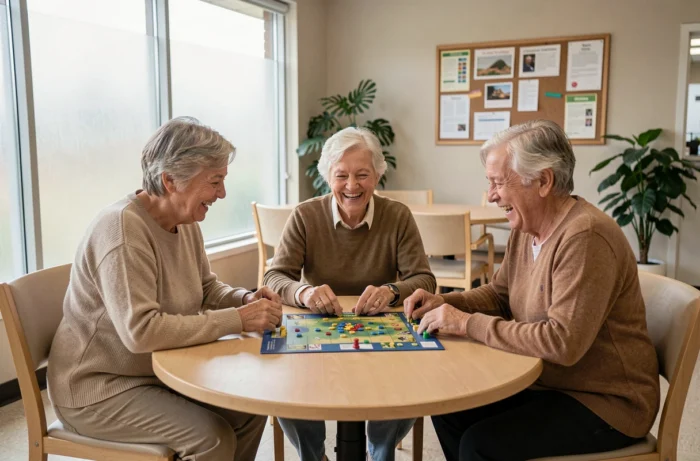
Social connections remain a pillar of staying at home that mere adjustments cannot replace. Organizations like the Petits Frères des Pauvres remind us that an isolated elderly person is a person in distress, and successful aging also involves regular interactions with family, neighbors, or volunteers.
Exemption for Home Help from Age 80: An Unknown Measure
Since mid-2025, individuals aged 80 and over benefit from a strengthened exemption on charges related to employing a home help. This measure aims to reduce the out-of-pocket expenses for the oldest seniors who finance their daily assistance themselves.
The increase in this exemption started without retroactive effect, meaning that only hours worked after the measure came into effect are concerned. For families organizing home help for a parent, checking eligibility and declaration procedures remains a step not to be overlooked.
Recent decrees, the transparency imposed on nursing homes, tax exemptions, and screening tools like ICOPE outline a more structured framework for seniors and their loved ones. The most challenging part often remains knowing that these measures exist and requesting them before the situation deteriorates.