
Buying real estate in 2026 is no longer what it was two years ago. The market has become more selective: national prices are stagnating, but the gaps are widening significantly between a well-rated apartment and an energy-intensive house needing renovations. In this context, project preparation makes all the difference between a good deal and a rushed purchase.
Why the energy rating weighs as much as location in 2026
You may have noticed that two similar properties on the same street can have very different prices? In 2026, the energy rating significantly widens value gaps. A property rated A or B is negotiated for much less than a property rated F or G, where the buyer anticipates the cost of renovation work.
This reality changes the search strategy. Instead of focusing solely on size or neighborhood, three criteria must be integrated into each visit: the energy rating, the actual level of charges, and the extent of necessary renovations. A property listed for less can end up costing much more in total if energy renovations absorb the difference.
To structure this analysis from the start, Big Immo’s real estate advice allows you to cross-reference these parameters even before scheduling a visit.
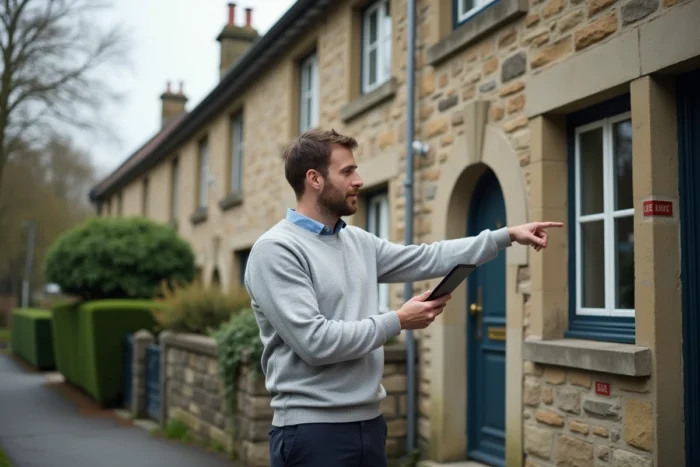
Real estate negotiation: margins have become a real lever again
The 2026 market has given power back to buyers. Negotiation margins, nearly nonexistent when demand exceeded supply, have become a structuring element of transactions again. Sellers must adjust their prices to close deals, which hasn’t been the case for several years.
In practical terms, this means that a listed price is no longer a final price. But negotiating is not something to improvise.
Three elements that strengthen your position
- A financing file already validated by the bank or broker, proving that you can sign quickly without lengthy suspensive conditions
- A precise knowledge of the property’s defects (poor energy rating, voted co-ownership work, nuisances) that factually justifies an offer below the listed price
- The duration of the property’s listing: the longer a property stays on the market, the more willing the seller is to accept a discount
Sales timelines are lengthening again in 2026, both for houses and apartments. A property that has been on the market for several months negotiates better than a newly listed property. Checking the date of the first publication of the listing provides a concrete advantage.
Synchronizing sale and purchase: the timing trap
Buying when you already have a property to sell poses a timing problem that many underestimate. In 2026, the lengthening of sales timelines further complicates the synchronization between selling your current home and acquiring a new one.
Two scenarios arise, each with its constraints:
- Sell first, then buy: you have the capital, but you risk having to rent temporarily if you don’t find something quickly
- Buy first with a bridging loan: you secure the new property, but the bridging loan generates an additional monthly cost as long as the old home is not sold
- Negotiate a staggered signing date with the seller, which assumes a favorable power dynamic and a property that does not attract another eager buyer
The best option depends on your financial situation and the dynamics of the local market. In a city where properties sell slowly, the bridging loan represents a higher risk. It’s better to secure the sale before signing elsewhere.

Urban planning simplification law: what changes for buyers
The urban planning and housing simplification law of November 26, 2025, has modified several rules that directly affect buyers. It relaxes certain administrative procedures and facilitates exemptions for building or transforming structures in activity zones.
The transformation of offices into housing remains an underutilized lever, but this law opens up new possibilities. For buyers, this can mean the emergence of atypical properties resulting from conversions in areas previously reserved for tertiary use.
At the same time, the law strengthens administrative penalties in case of non-compliance with urban planning regulations. Before buying a property with recent extensions or modifications, checking the compliance of the work with urban planning authorizations becomes more than ever a precaution not to be overlooked.
A point of vigilance on renovated old properties
A property presented as “fully renovated” has not always undergone prior declarations for the work done. Always request the urban planning authorizations corresponding to visible modifications (creation of windows, extensions, change of use). An irregularity can block a future resale or lead to costly compliance measures.
The real estate market of 2026 rewards buyers who prepare their files, take the time to negotiate, and check every technical detail before signing. The trend is neither sharply upward nor downward, which leaves real room for maneuver for those who approach their project methodically.