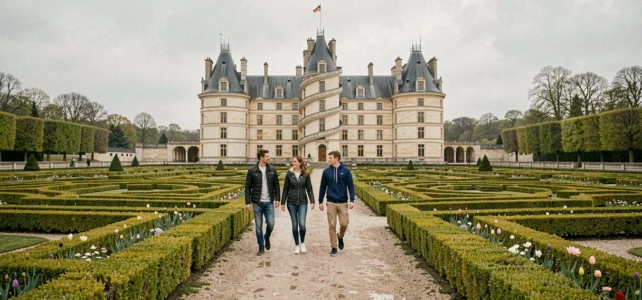
The Chambord estate attracts visitors each year who come to discover the Renaissance castle of Francis I. Even before crossing the monument’s gates, the surrounding park offers a free stroll in a monumental setting. Understanding what is accessible without a ticket (and what is not) allows for a pleasant outing, without any unpleasant surprises on the budget.
Two-tier pricing from 2026: what it changes for an outdoor visit
Since January 14, 2026, the national domain of Chambord applies a differentiated pricing based on nationality. The “castle + French gardens” ticket costs €21 for nationals or residents of the European Economic Area, compared to €31 for visitors from outside the EEA.
This increase from the previous rates (around €15-16) changes the calculation for many families. If you are traveling with children or on a tight budget, enjoying the park with free access without entering the castle becomes a more relevant option than before.
The free gardens and parking at Chambord are a real asset for those who want to appreciate the exterior architecture and the surroundings of the estate without paying full price.
Free park and paid French gardens: the distinction to know
Did you think that all green spaces in Chambord were freely accessible? The reality is more nuanced. The estate is divided into two distinct zones in terms of pricing.
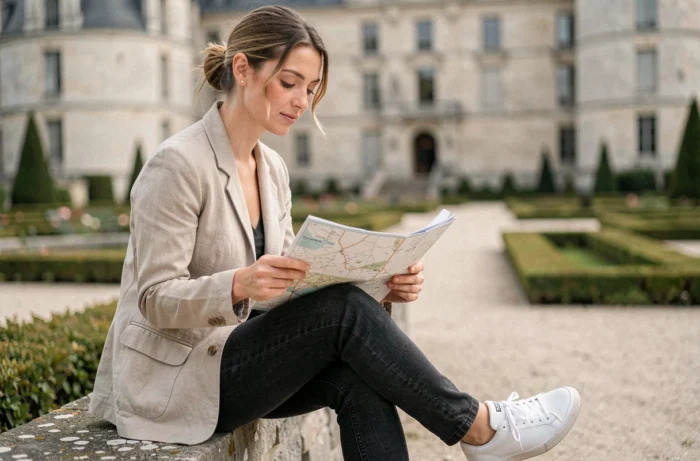
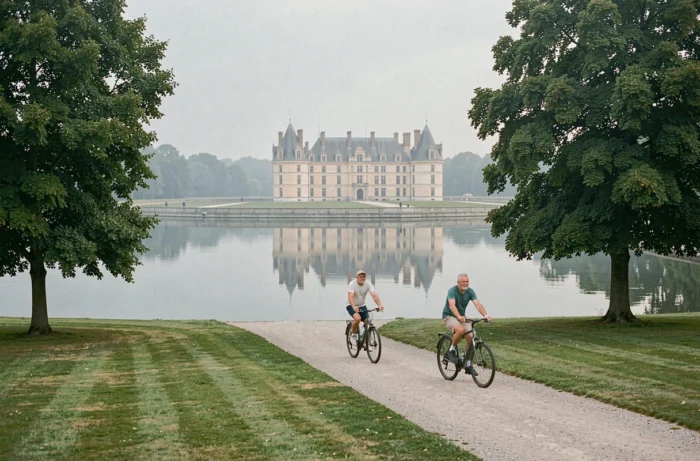
The park of the estate is accessible for free all year round. It covers a considerable area (several tens of thousands of hectares) and allows for walking or biking around the castle. You can encounter deer in autumn, shaded paths in summer, and remarkable viewpoints of the Renaissance façade in every season.
The French gardens, on the other hand, are included in the castle entry ticket. Their access is not free on its own. These restored geometric flowerbeds directly border the monument and offer a classic perspective on the architecture.
Who can enter the castle and formal gardens for free
The enhanced free entry policy in 2026 benefits two specific categories:
- Individuals under 18 visiting individually, upon presentation of an identity document
- 18-25 year-olds who are nationals or residents of the European Union or EEA, also upon proof
- Other typical beneficiaries of national museums (people with disabilities, job seekers) according to usual conditions
For a family with teenagers, the complete visit may therefore only cost the parents’ tickets. The outdoor park remains free for everyone without conditions.
Parking at the Chambord estate: what is truly free
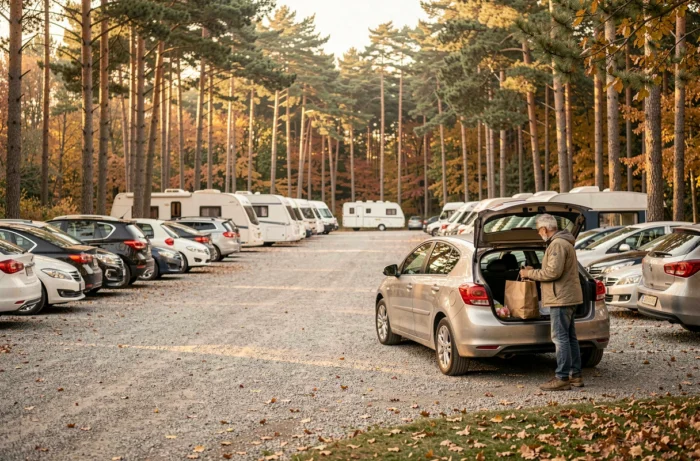
The question of parking consistently arises in preparations. The estate has several parking areas near the castle. The parking barriers are lifted outside of peak periods, allowing for free access in some cases.
In practice, parking is paid on regular opening days during the high season. Rates vary depending on the type of vehicle (car, camper, motorcycle). The estate has already communicated about occasional barrier lifts, especially during winter or specific events.
Concrete tip to avoid parking fees
Why not come by bike? The Loire Valley has a well-developed cycling network. From Blois, several marked routes lead directly to the estate. Bike parking is free, and the ride through the Sologne forest is part of the experience.
If you come by car, arriving early in the morning (before 10 AM in summer) often makes it easier to park and sometimes allows for more flexible access conditions. Check the parking conditions on the official website before your visit, as they change with the season.
Enjoying the Chambord park without a ticket: three concrete experiences
The park is not just a simple lawn around the castle. Here’s what you can actually do in the estate’s free spaces.
The walk around the canals offers a clear view of the north façade of the castle, which impresses the most with its dimensions. The framing is ideal for photography, especially at the end of the day when the low light highlights the details of the Renaissance architecture (turrets, chimneys, the double spiral staircase visible from the outside).
The estate’s forest trails allow for hikes of several kilometers. Wildlife is present: deer, does, wild boars. During the rutting season (September-October), the park becomes a rare natural observation site for a place so close to a historical monument.
Families with children appreciate the large flat areas for running, picnicking, or simply enjoying the tranquility. The contrast with the Loire châteaux, whose surroundings are more urban (like Blois), is striking.
Chambord or Chenonceau: the criterion of free access makes the difference
In a tour of the Loire châteaux, the choice between Chambord and Chenonceau often comes up. In terms of free outdoor spaces, Chambord has no equivalent among the large châteaux in the region.
Chenonceau offers beautiful gardens, but access to the estate is entirely paid. Cheverny operates on the same model. At Chambord, the size of the park and its free opening allow for a full half-day without spending a dime, provided you forgo the interior of the castle.
For visitors who are visiting several châteaux over a weekend, this partial free access at Chambord allows for budget distribution. Paid visit to Chenonceau in the morning, free park at Chambord in the afternoon: a coherent program that respects the family budget.
The Chambord estate remains one of the few major heritage sites in France where you can spend several hours in an exceptional setting without purchasing a ticket. With the new pricing structure in 2026, this feature becomes even more valuable for visitors wishing to discover the architecture of Francis I and the Sologne nature without budget constraints.